Grade 8 students studied cartoons, infographics, and documentaries this term as media to communicate a point of view and data. For the past 2 weeks, they have been applying their learning by making their own documentaries on issues they want to explore and present. Their task was as follows:
Goal: create a short documentary that clearly communicates a message about an issue or topic and uses an infographic within the documentary to help inform and influence the audience.
Role: You are a young documentary filmmaker and visual communicator.
Audience: students aged 12–14 who want clear, engaging, and trustworthy information.
Situation: ABIS is hosting a student documentary showcase. Short documentaries will be shown to educate and raise awareness about important topics during school assemblies in Term 4 to support Service as Action. To help the audience understand key information quickly, each documentary may include at least one infographic (extension).
Product: You will create a short documentary (4-8 minutes) that:
- presents a clear message (purpose)
- shows a clear point of view
- uses at least 3 documentary techniques, such as:
- interviews
- voice-over / narration
- visuals
- labels
- music or sound
- archival footage
- EXTENSION: includes at least one infographic that:
- presents key facts, data, or ideas using 2-3 multimodal texts
- is easy to understand
- supports the documentary’s message
- shows awareness of audience impact, using emotional and/or factual appeal as well as specific camera shots and angles
Success Criteria: Your documentary will be successful if:
- the message is clear and purposeful
- the infographic is relevant, accurate, and easy to read
- documentary techniques are used intentionally
- the documentary influences how the audience thinks or feels
- spoken and written language is clear and appropriate
- it has a credit roll which cites sources of information
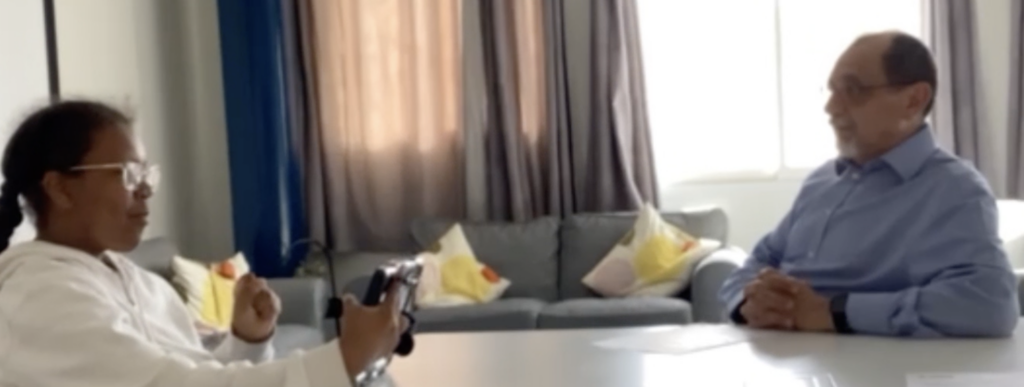
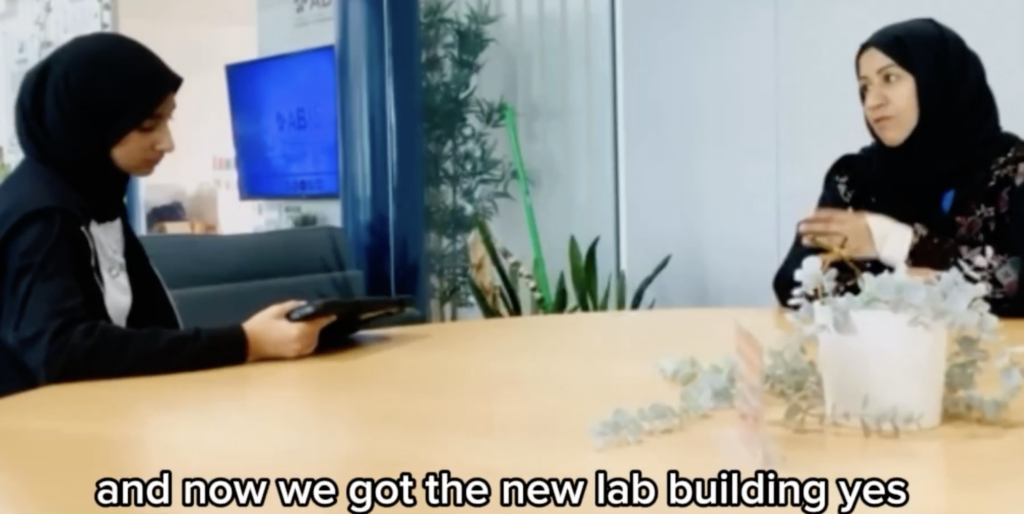 I am very impressed and proud of the number of students who searched for primary sources that ranged from our head of school to therapists and ex-students living in other countries to interview for their documentaries.
Now that their work is complete, they get to watch each other’s documentaries and assess them using the assessment criteria. Doing this is good practice to ensure students understand what and how they will be assessed. They can compare their peers’ assessment to their personal self-assessment of their documentary.
As seen below, the students chose a range of topics/issues to explore and comment on in their documentaries.