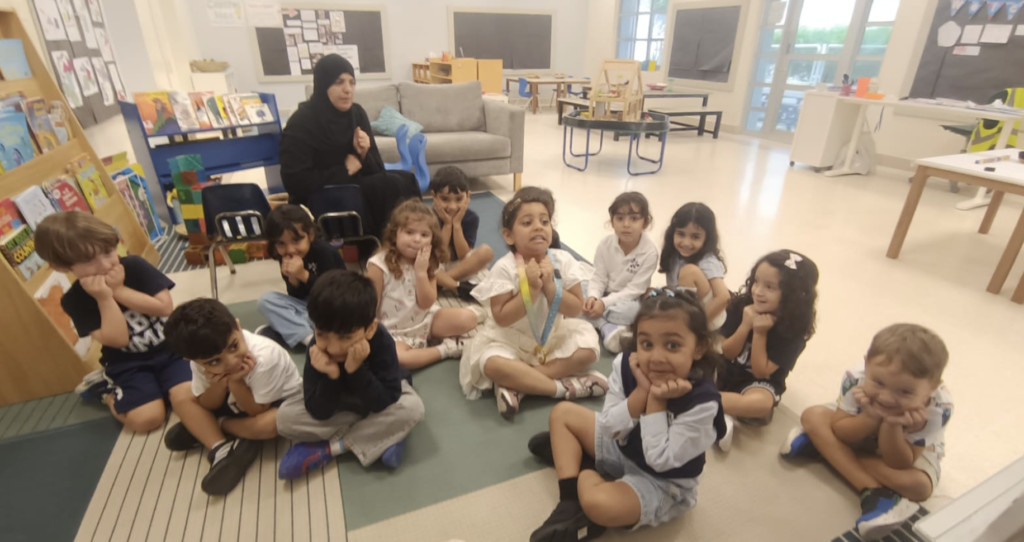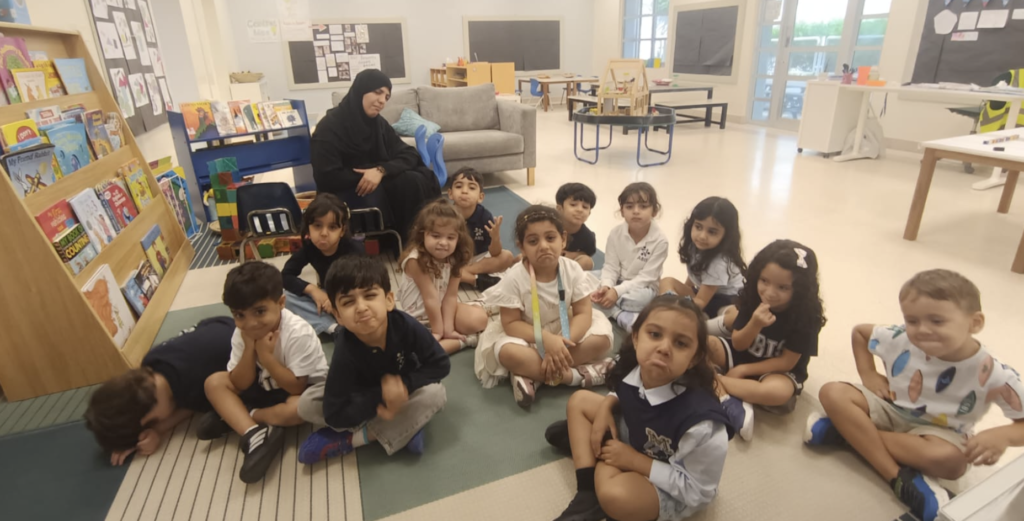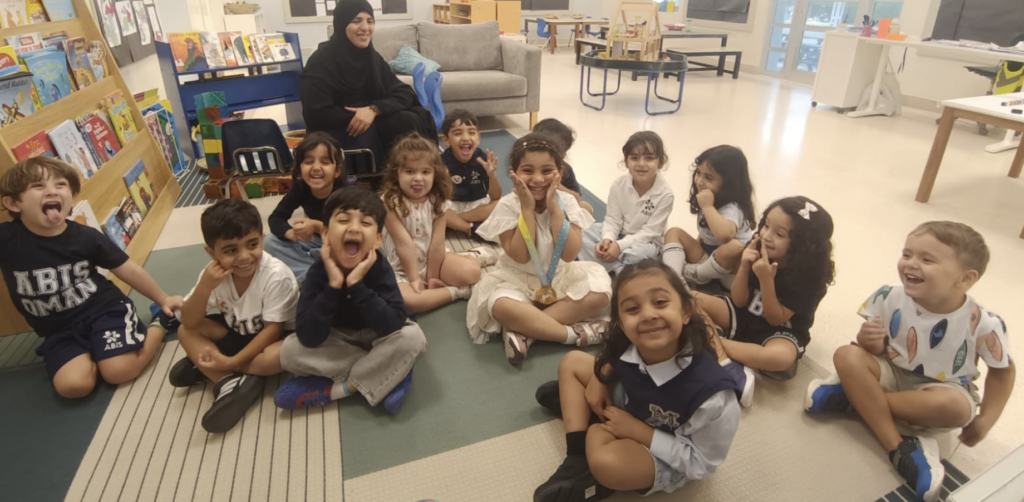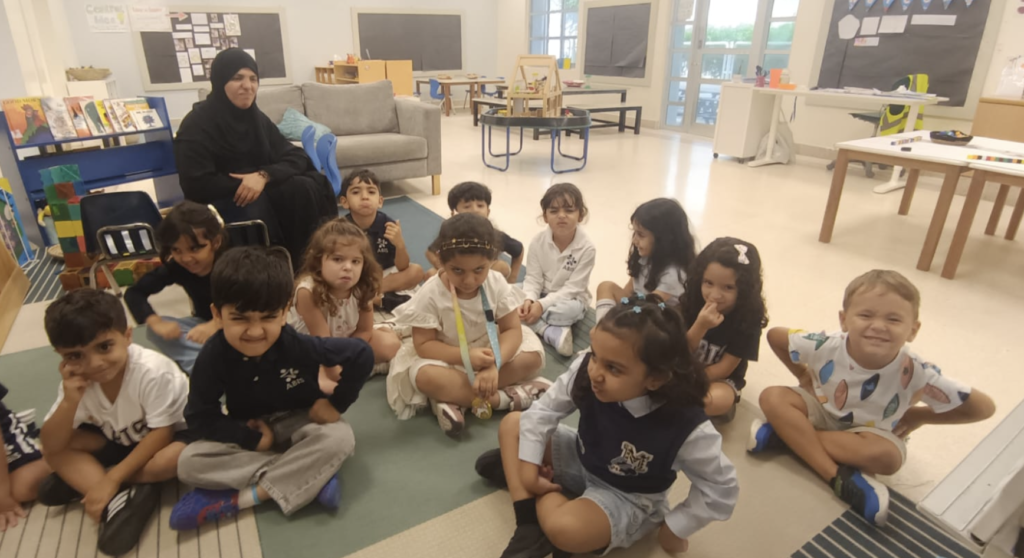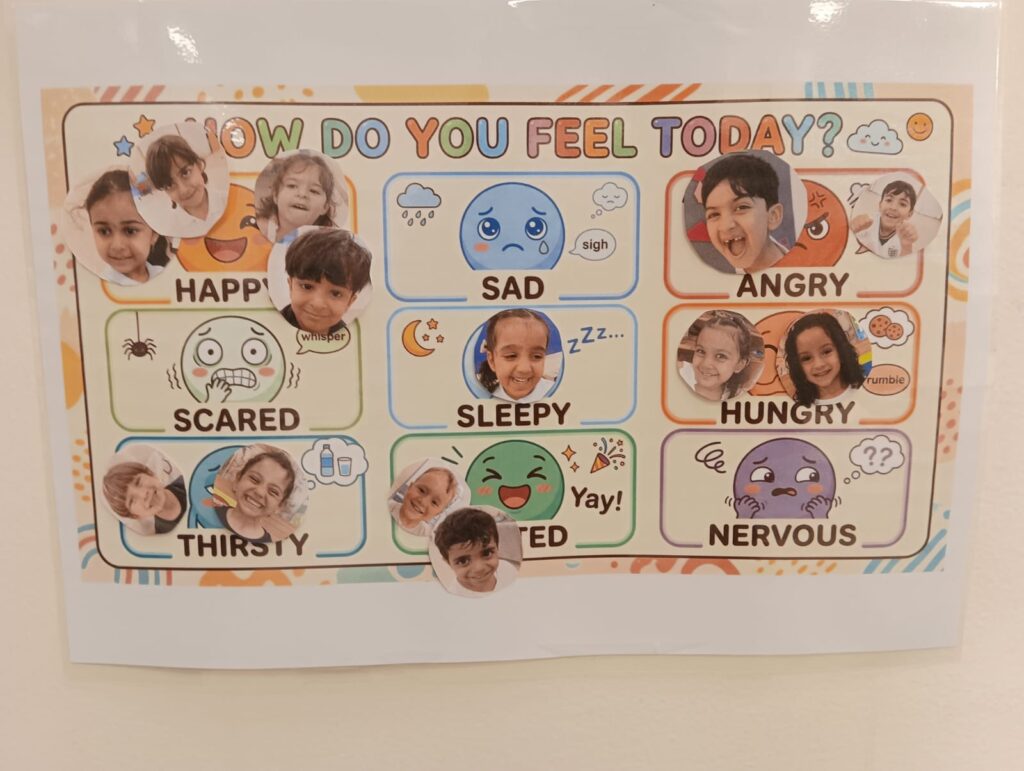
In KG1, our journey through the Who We Are unit of inquiry has taken us deep into the world of social-emotional discovery! Understanding our own feelings and recognizing emotions in others are foundational steps toward building empathy, communication skills, and a strong classroom community.
Mapping Our Emotions We began our inquiry by gathering together to identify the feelings we already know. Transitioning to our central learning area, the children used mark-making and drawing tools to illustrate visual faces representing core emotions: happy, sad, angry, and scared.
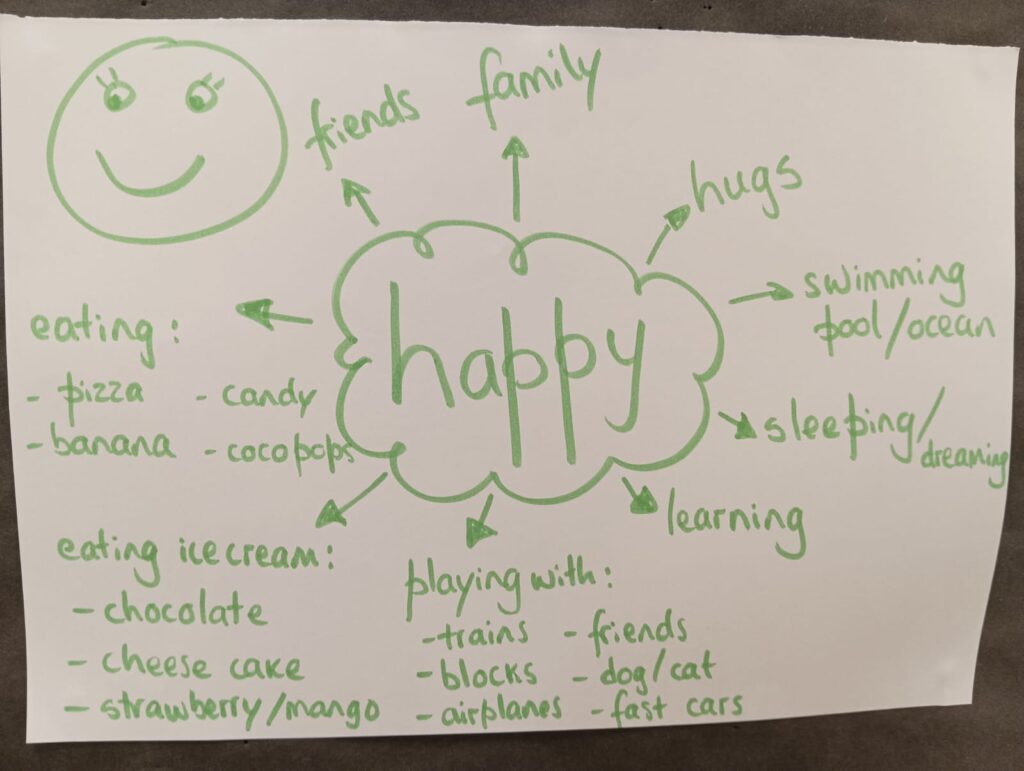
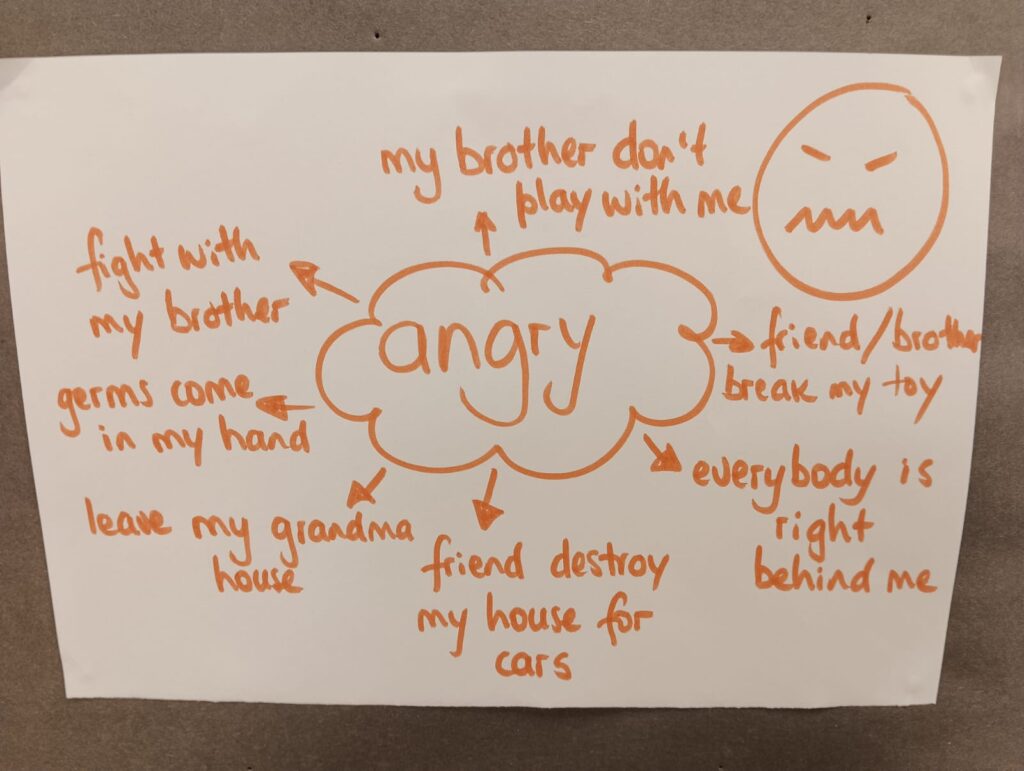
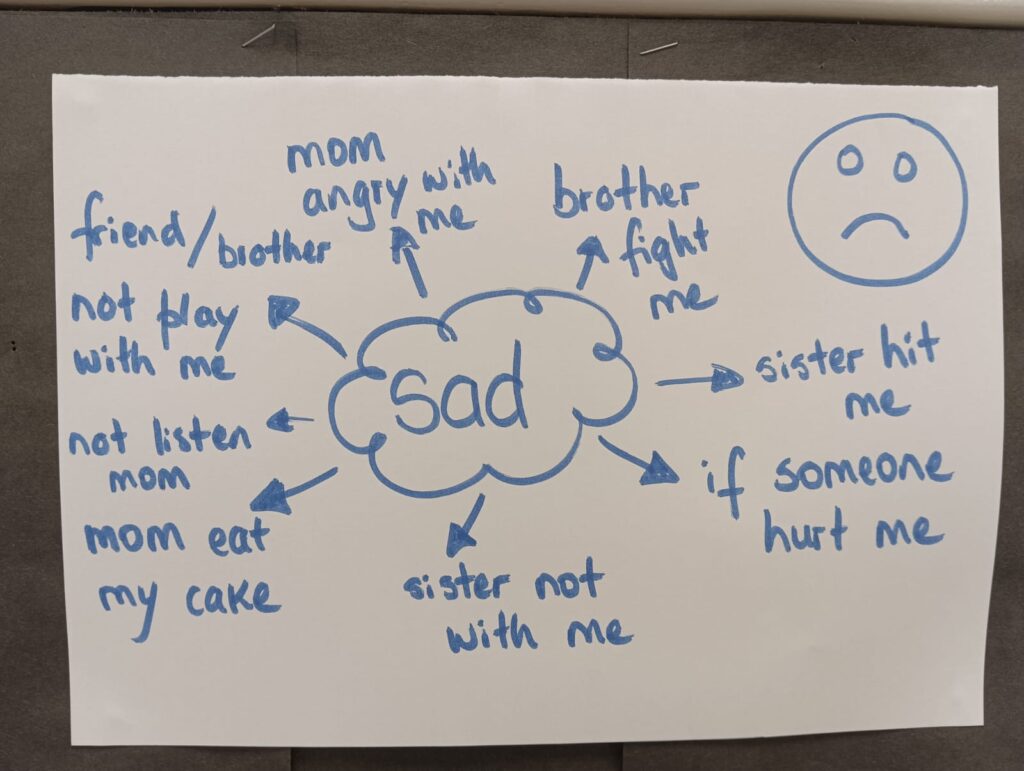
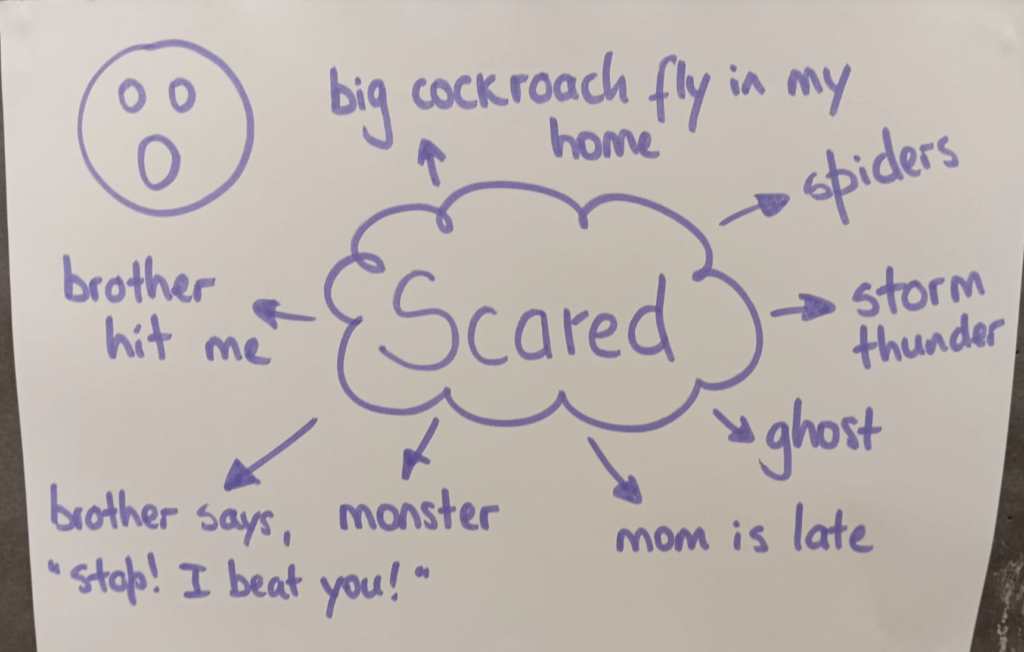
To deepen our conceptual thinking, we created interactive mind maps to explore the “why” behind our feelings. The children shared wonderful, authentic reflections about what triggers different emotional responses:
-
☀️ What Makes Us Happy: Enjoying ice cream or pizza, swimming at the beach, playing football, spending quality time with family, giving big hugs, cuddling pets, dreaming during sleep, and learning and playing with our school friends!
-
🌧️ What Makes Us Sad: When a friend or sibling hits or fights with us, being left out of play, missing a sister, accidentally not listening to Mom, or—as one honest inquirer shared—when Mom eats our cake!
-
⚡ What Makes Us Angry: When a brother breaks a favorite toy, when siblings refuse to play together, or having to say goodbye when leaving Grandma’s house.
-
😨 What Makes Us Scared: Spiders, ghosts, or monsters; loud thunder during a storm; the dark; a big cockroach flying in the house; when Mom is late picking us up; or when someone hits us.
Connecting to Our Inquiry & Community These discussions link directly to our Central Idea: “Play is the way we learn about ourselves and others.”
By identifying these shared experiences, our young learners are discovering that everyone in our class experiences a wide range of emotions. Recognizing what makes a friend feel happy, sad, angry, or scared helps our students practice turn-taking, comfort one another, build trust, and use gentle communication during play.