
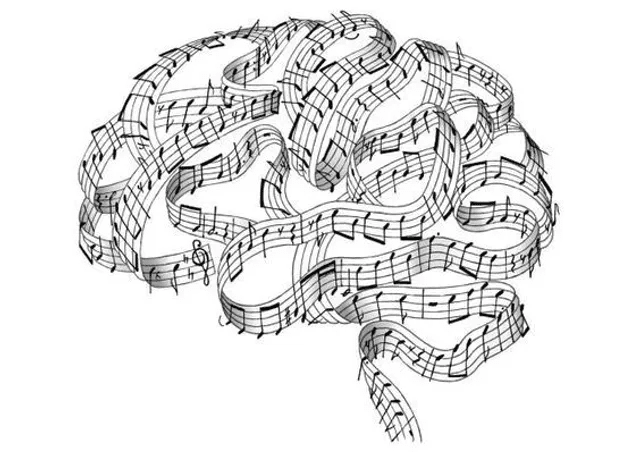
Music and language, have a lot in common. They both help us communicate and express our feelings and thoughts.
Both music and language are processed by the same areas of our brain. Musicians often have better language skills, and learning to play an instrument can help with reading and understanding words.
Music and language both use rhythm to create patterns. In music, rhythm helps organize sounds into a beat, while in language, rhythm (or prosody) helps us understand the flow of sentences and adds meaning to what we say.
Melody in music is similar to intonation in speech. Just like a melody can rise and fall to express different emotions, our voice changes pitch when we speak to show feelings or ask questions. For example, we often raise our voice at the end of a question.
Music and language are powerful tools for expressing emotions. A song can make us feel happy or sad without any words, and the way we speak can show our feelings even if we don’t say them directly. This is why music is often called a universal language—it can convey emotions that everyone understands.
Both music and language carry cultural stories and traditions. Folk songs and oral traditions help preserve the history and values of a community, passing them down from generation to generation.
Music can help us learn and remember better. Songs and rhymes are used to teach children new words and ideas because their repetitive and rhythmic nature makes them easy to remember. This is why we often remember song lyrics more easily than spoken text.
Music and language are deeply connected and enhance each other in many ways. They both help us communicate, express emotions, and preserve our cultures. Understanding their relationship helps us appreciate the richness of human communication and the universal power of expression.
Thank you all for joining our Summer Concert today to celebrate the whole year of learning.
Sincerely,
Ms Ays