Good afternoon,
Despite it being a shorter week this week (four days), we still managed to pack lots of learning and fun into it!
We began the week by inviting the children to look at their family photographs. Each child was excited to talk about the family members in their picture, and together we counted the people in each one. We noticed and discussed how each family is different and unique, and how every family is special. The children were then invited to create a frame for their photo. To build on one of their current interests—the large paint / dot pens in our classroom—we offered a range of warm colours for them to use. The children enjoyed decorating the edges of a piece of card, and once the ink had dried, each chose a beautifully patterned wooden button for each corner of their frame. We then placed each child’s family photo inside their frame, and these now hang at the back of our classroom. The children regularly visit this area to look at their own photo and to share conversations with friends about their families. It has become a lovely space for discussion as well as a point of comfort when needed.
In literacy, we have been exploring prediction skills through a variety of stories, including the classic picture book Goodnight, Gorilla. As we read, the children noticed how the sneaky gorilla followed behind the zookeeper, unlocking each animal’s cage and then leading them into the zookeeper’s house. When we reached the part where the lights go out and the animals say “goodnight,” we paused to ask the children what they thought might happen next. They then drew pictures to show their ideas—many predicted the animals would be sent away, although some had different ideas. You may have seen these annotated drawings when your child brought them home. Predicting what happens next helps children build early reading skills, encouraging them to think, imagine and to stay engaged with the story and is something you can easily do at home with your child when reading together.
In mathematics, we played a variety of counting games together, giving the children the chance to practise saying numbers in order, matching numbers to objects, and beginning to understand the idea of ‘how many.’ These playful activities help lay the foundation for more complex mathematical thinking.
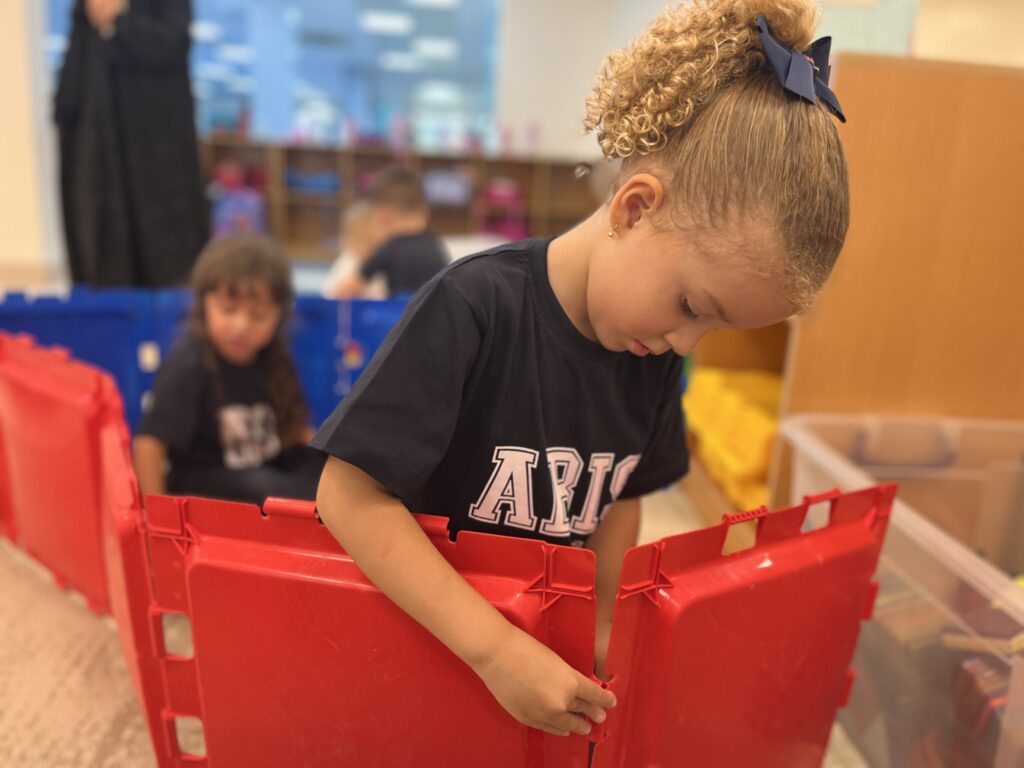
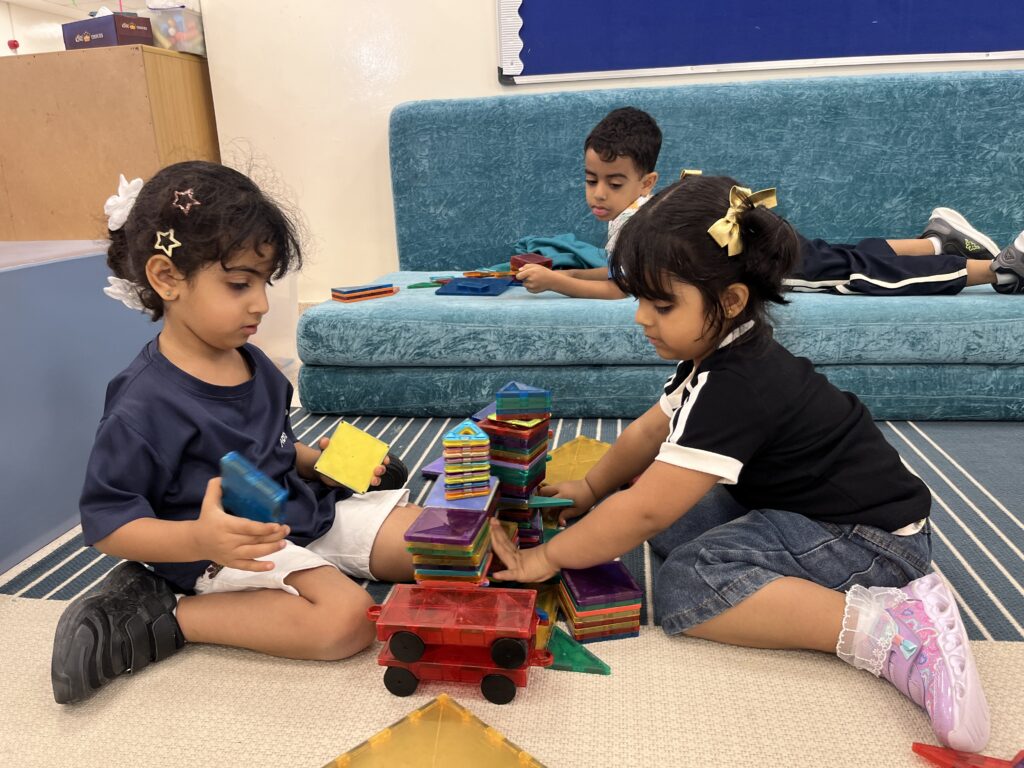
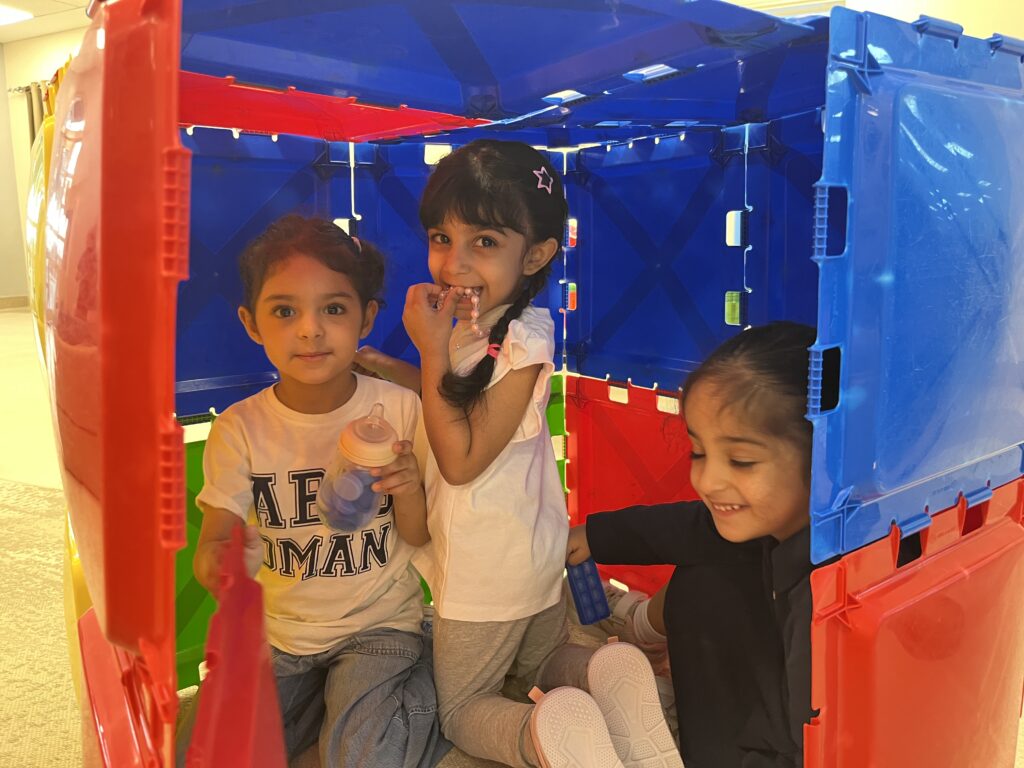
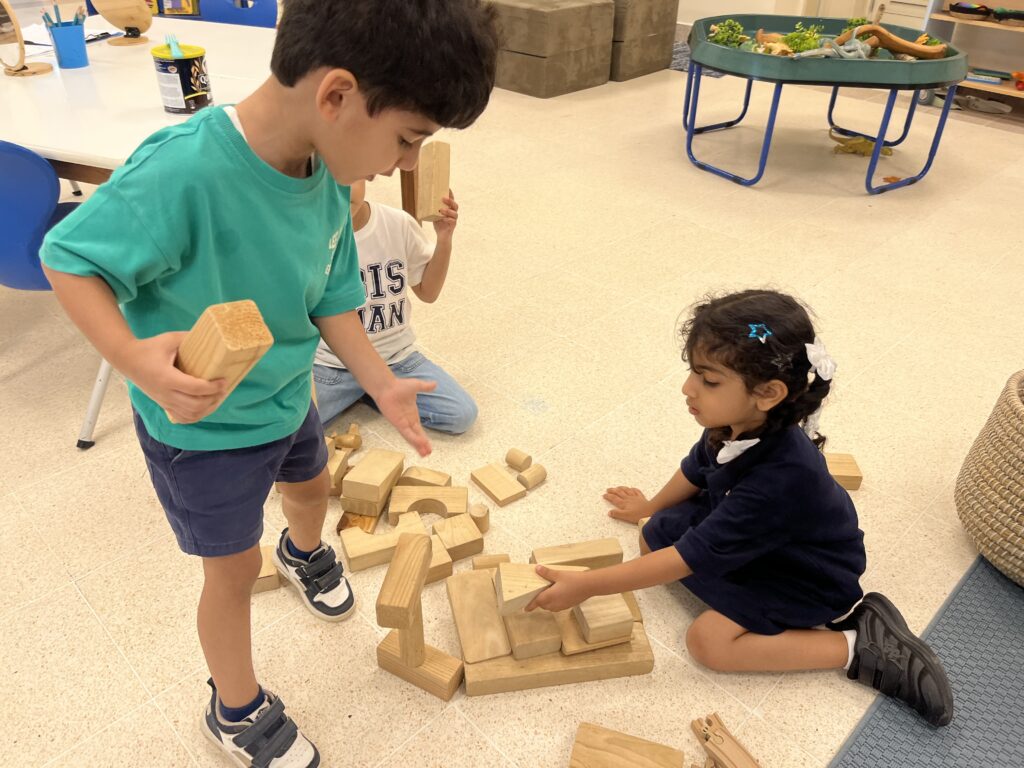
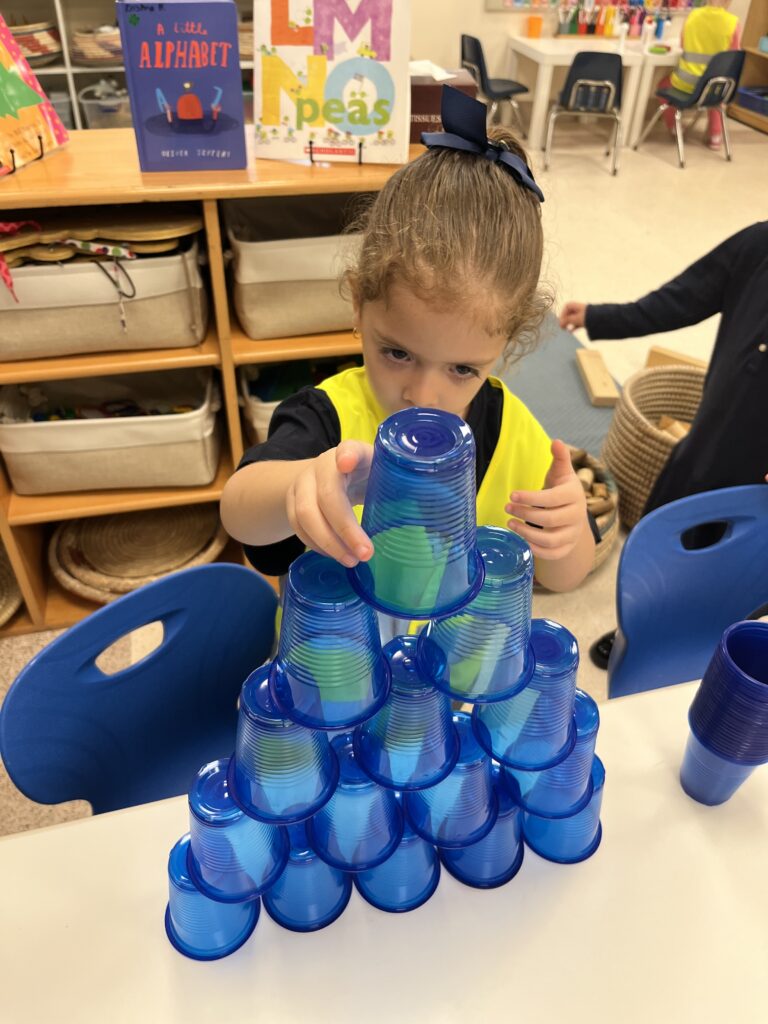
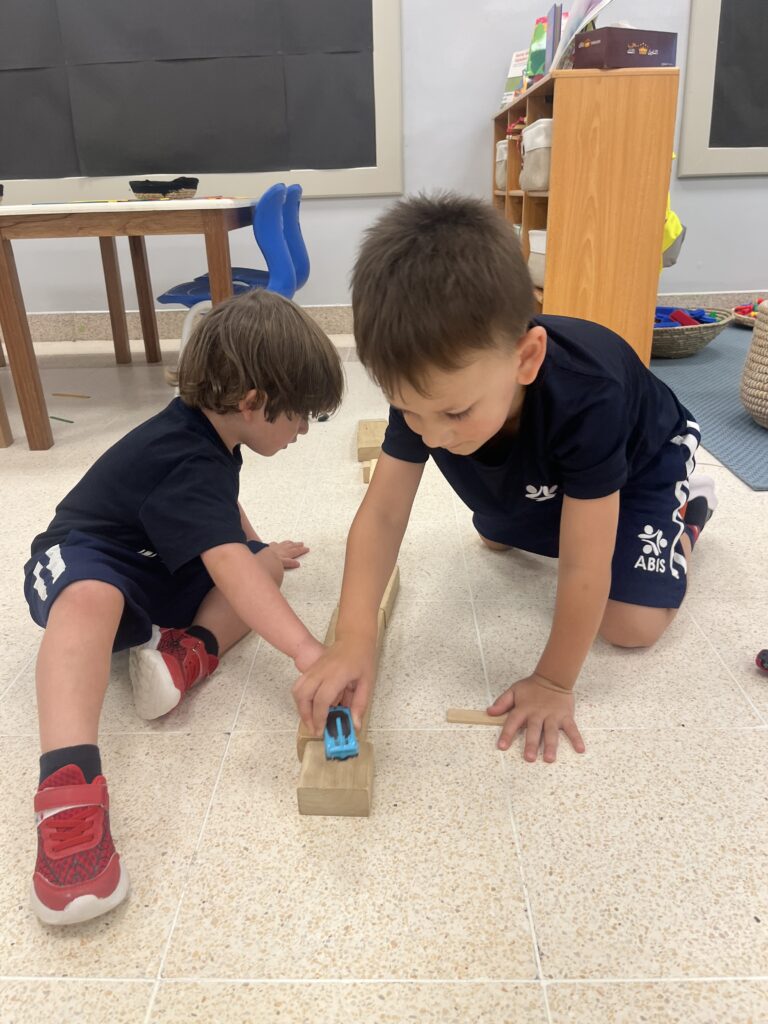
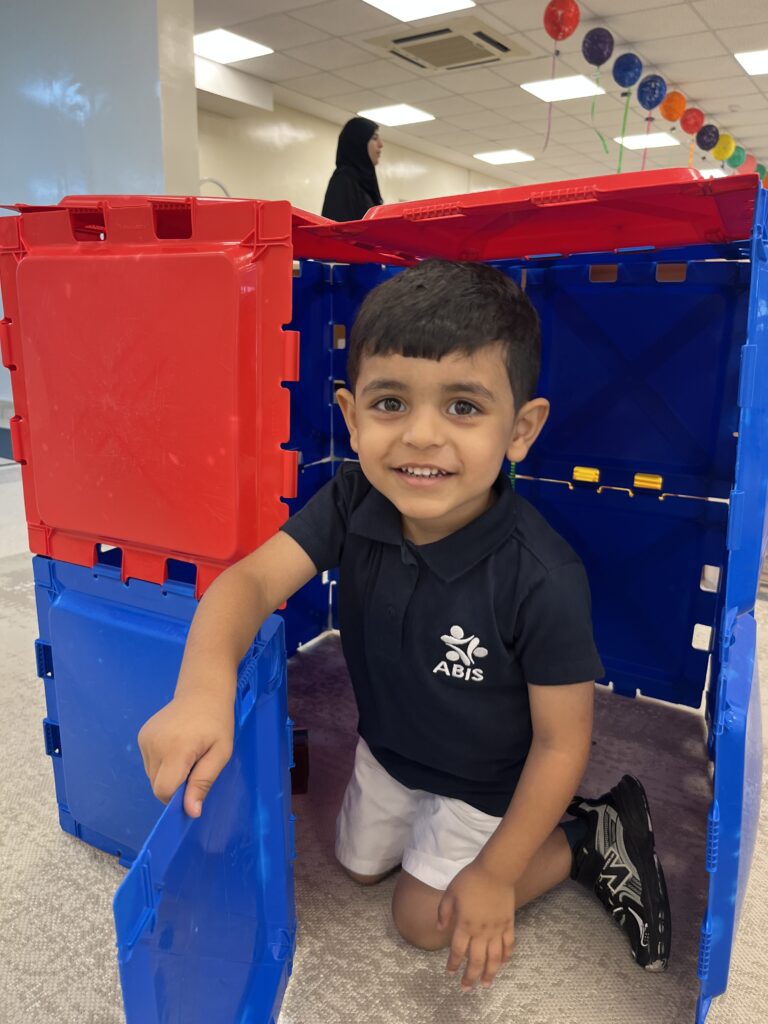
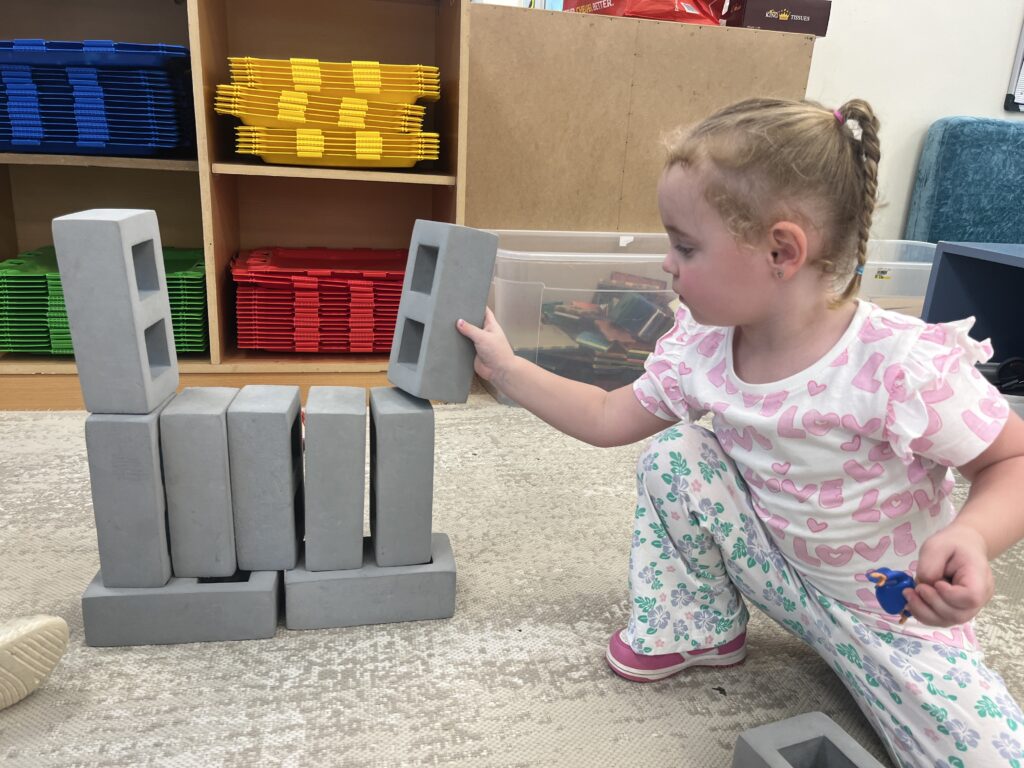
Finally, one of the most popular activities in class is always construction. Construction play can take many forms and involve a wide variety of resources. While children are having fun and being creative—valuable outcomes in themselves—they are also developing a range of important skills. These include problem-solving, resilience, and an understanding of shape, size, and space. Through construction, children practise sharing, turn-taking, negotiating, and resolving small conflicts, while also building their vocabulary and communication skills. In addition, they strengthen fine motor control, hand–eye coordination, planning and sequencing skills, as well as their ability to work collaboratively with others. Below you will find a small selection of photographs of children engaged in construction play over the past few weeks.
Wishing everyone a good weekend,
The KG1 Team