Here in KG1 this week, we have begun our new Unit of Inquiry, How We Express Ourselves, with a special focus on how we can communicate our imaginative thinking and feelings in many ways. We started with a planned provocation: during a class discussion about feelings, one of the adults suddenly appeared unable to speak. Since she must have lost her voice, we talked about how she might share her feelings without using words. The children suggested various ideas, such as using facial expressions, gestures, or drawings. Luckily, after a drink of water, her voice came back, and she was able to speak again! The children were then invited to use paintings of faces to express emotions of their choice, considering how the eyes and mouth might look and which colours could best show their feelings. Later in the week, we compared two paintings of trees by the same artist, Piet Mondrian, each conveying a very different mood. One painting was sombre and dark, while the other was bright and full of colour. The children shared how each image made them feel, with some concluding that the colourful painting felt happy, while the darker one seemed sad or even a little scary. Others, however felt that the darker picture might be showing a snowy scene, and they said they would like to go there to play in the snow!
We look forward to continuing this inquiry as we explore and experiment with many ways to express our ideas and emotions, and to reflect on how we may have different responses and perspectives when viewing or engaging with art.
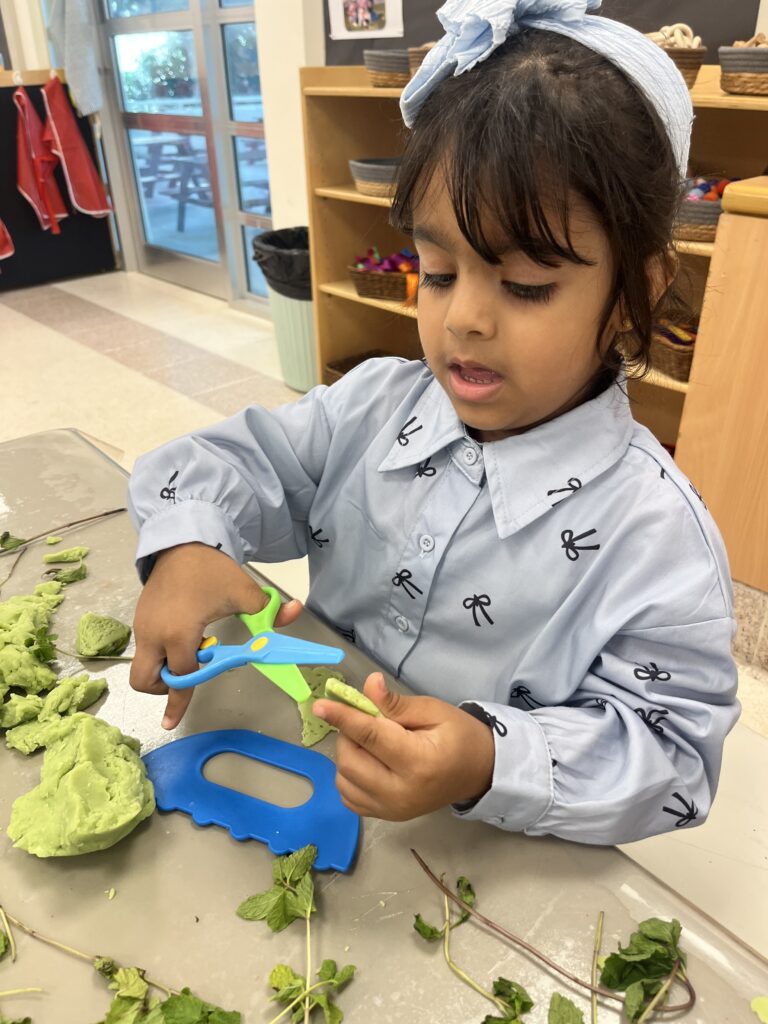
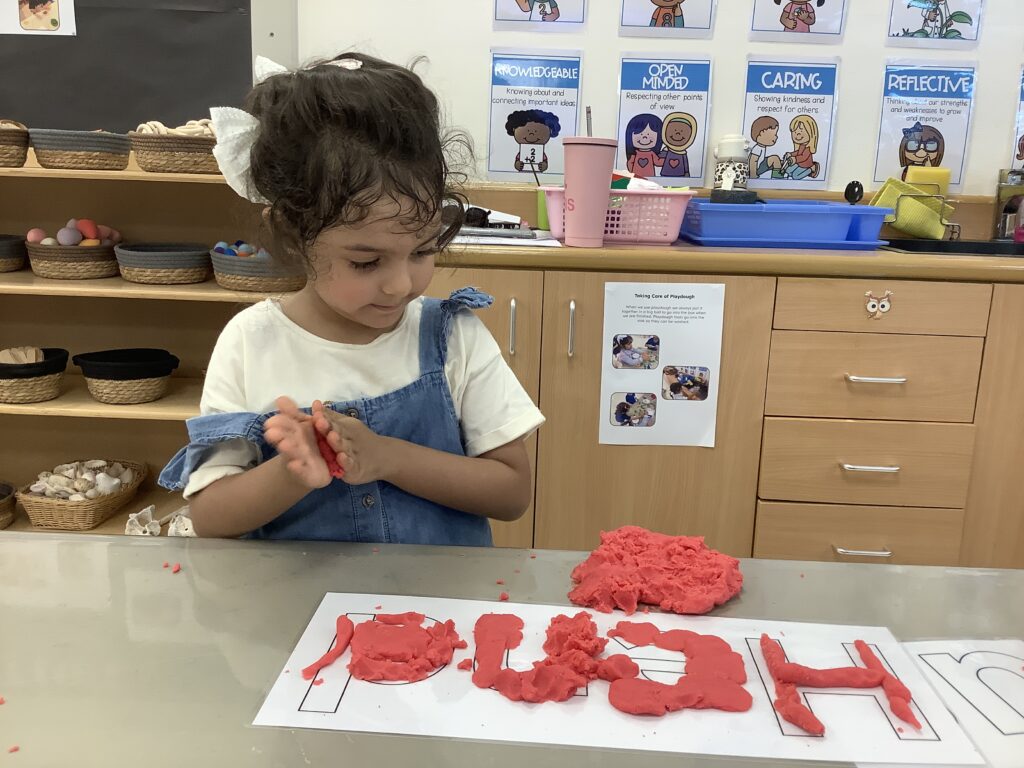
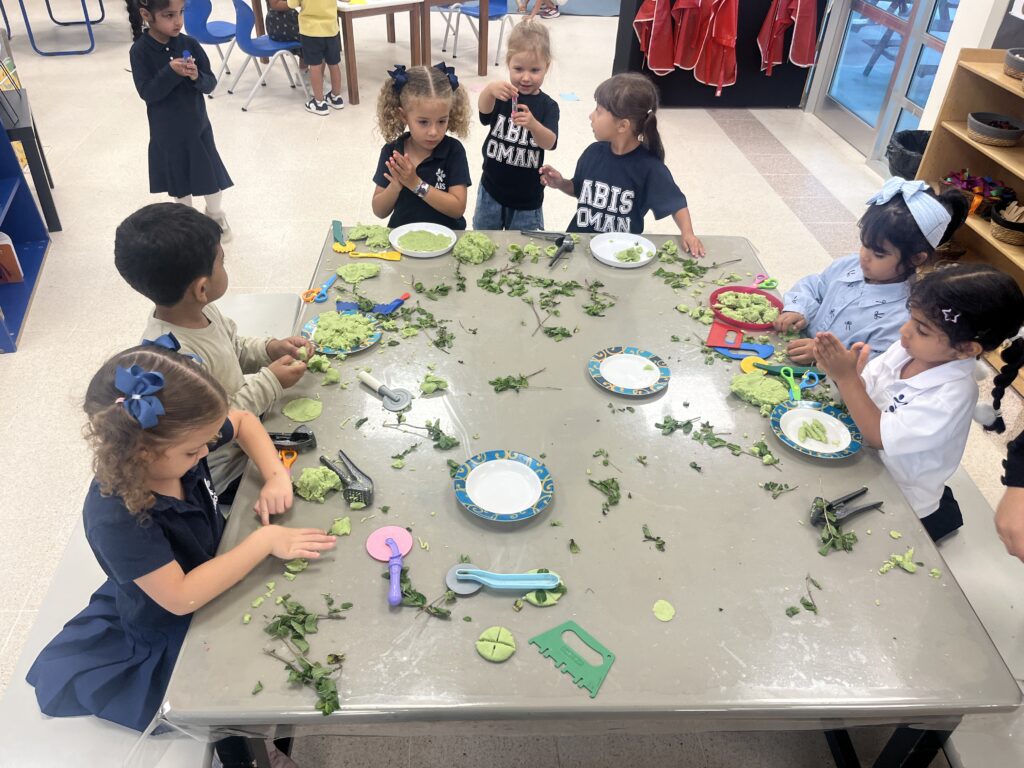
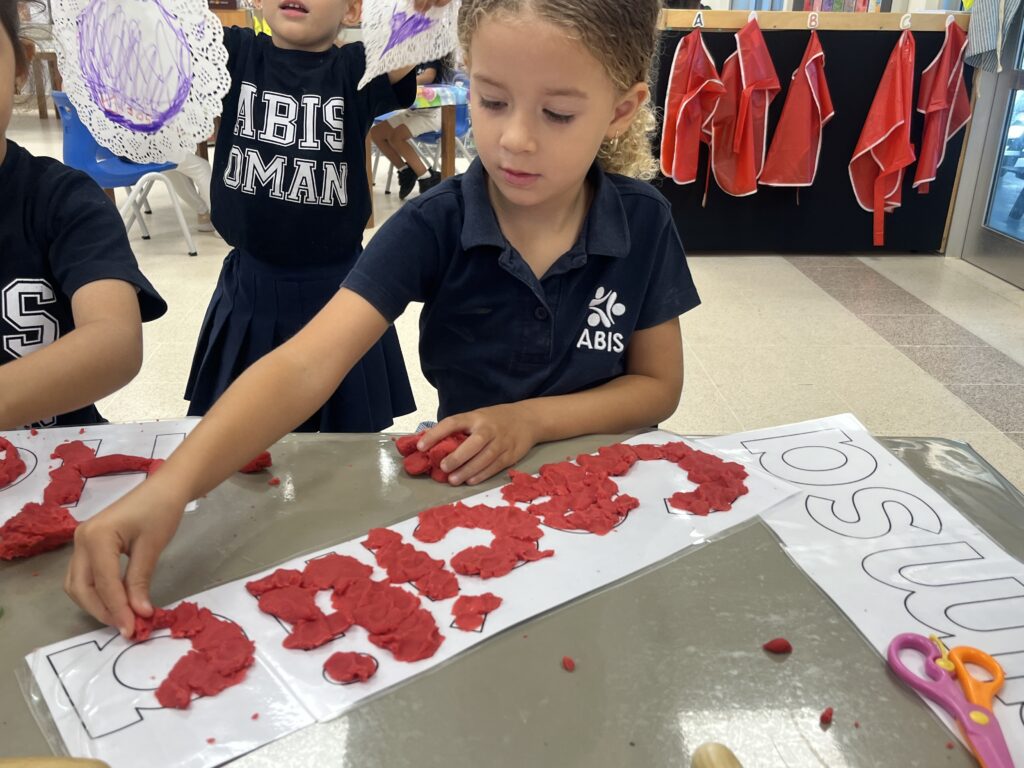
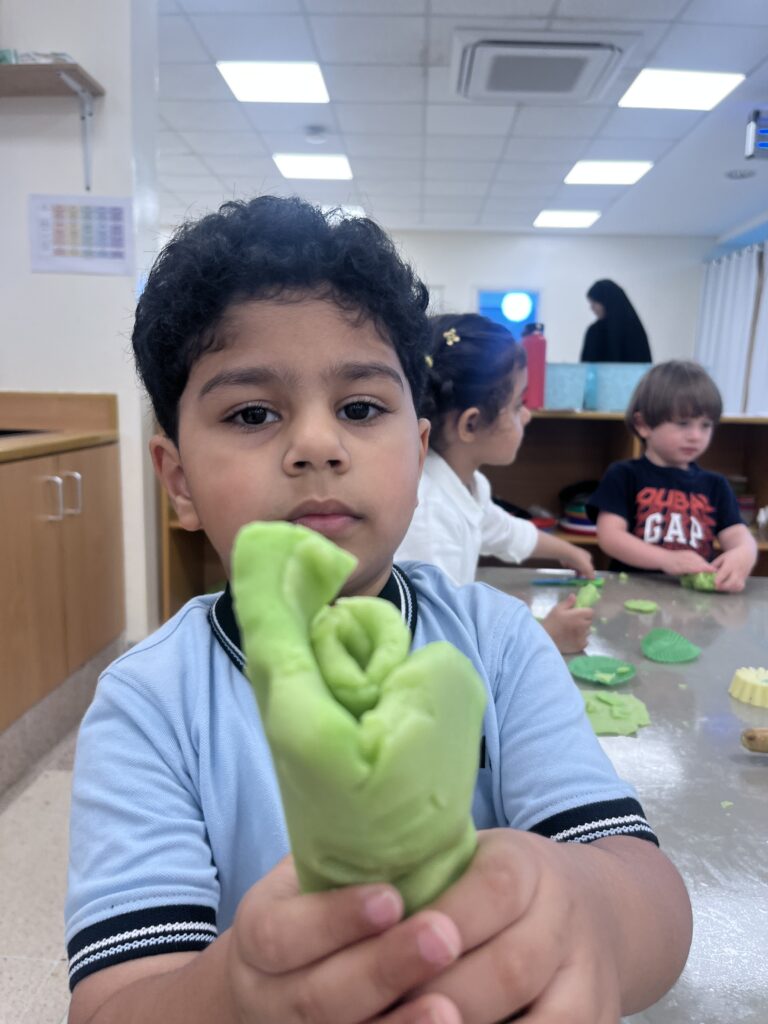
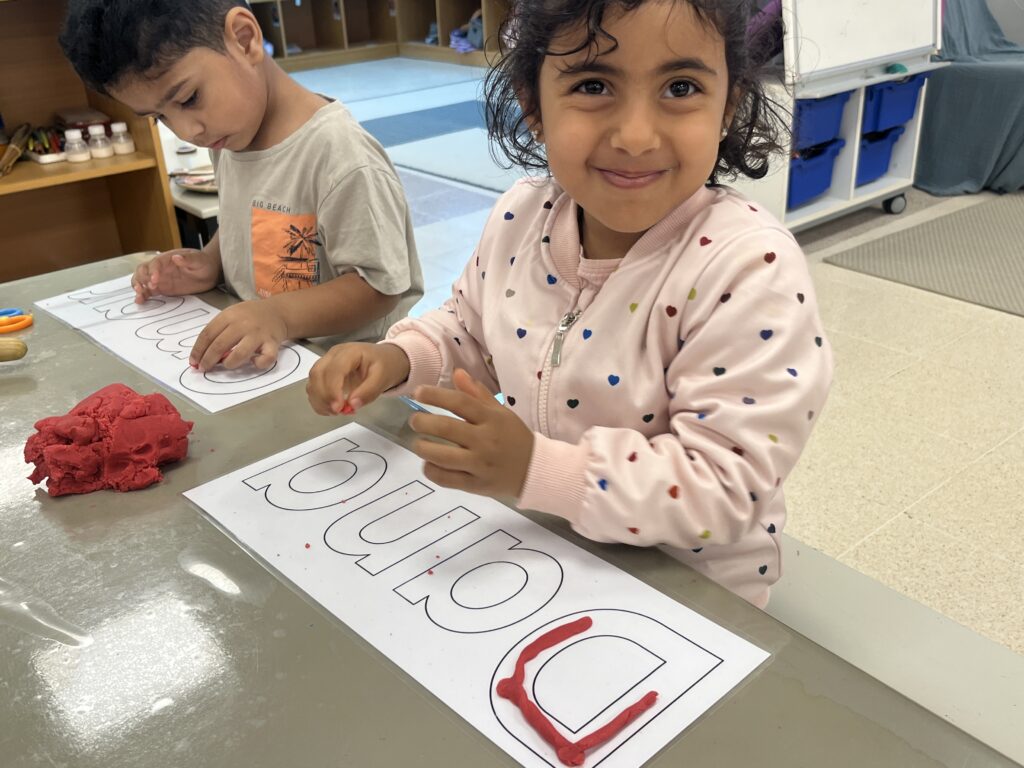
This week’s photographs show a range of snapshots of the children exploring playdough in class. While they are using playdough, we often see children deeply focused as they roll, squeeze, and shape the dough. These simple movements help strengthen the small muscles in their hands and fingers — important for writing, cutting, and other everyday tasks. As they cut out shapes, count pieces, or compare sizes, they’re exploring early maths ideas without even realising it. We also notice many examples of their imaginations at work as children make cakes, animals, or pretend meals, often chatting with friends and sharing ideas along the way. Playdough play is calm, creative, and full of learning in action.
Wishing you all a good weekend,
The KG1 Team